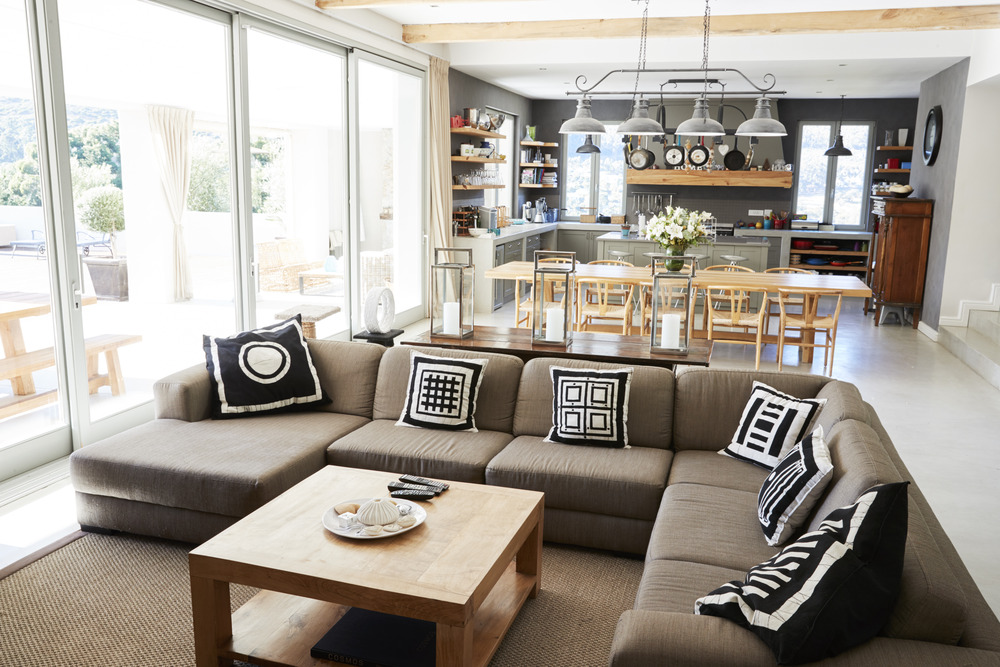
A sofa is the focal point of your living area, where you gather with friends, watch TV, and unwind. With a variety of options, selecting the right sofa can be overwhelming. There are some key factors to consider that include, a budget, comfort, durability, color, and stain-resistant materials. To navigate the variety of couches, consider these key factors: aesthetics, comfort, durability, color, and stain-resistant materials. This will help you find the perfect sofa that enhances your home’s aesthetics.
The Perfect Sofa Style
When choosing a sofa, consider your design vision. For formal living rooms, consider a tight-backed sofa with loose seat cushions for a traditional look. For a relaxed aesthetic, look for sofas with loose back and seat cushions. However, these may appear not as neat over time. To avoid this, choose a sofa with a solid warranty or high-quality cushions. Tufted sofas are a classic choice for a sophisticated or European-inspired style, but may not be suitable for those who enjoy lounging or napping.
Sofa Fabrics and Cushions
When choosing a sofa fabric, consider practicality and the lifestyle of the people using the space. The fabric should be stain-resistant or pet-friendly, as it can extend the sofa’s lifespan and reduce the need for regular replacements. Evaluate the sofa’s usage, foot traffic, and the duration of weekly use by family members. If pets or children are present, choose fabrics that can withstand their activity. This will help ensure the sofa is durable and comfortable for long-term use.
Sofas come in designs with single or multiple cushions, each offering unique benefits and drawbacks. Single-cushion sofas have a polished appearance and greater seating flexibility, making them ideal for casual daybeds. Multi-cushion sofas offer versatility in cushion arrangement but may lack the clean lines of single-cushion designs. There are various types of couch cushions, including bullnose, box, and button styles, each with their own benefits and drawbacks. Box cushions are square, bullnose have rounded edges, and button cushions add texture.
Sizing and Measurement
When purchasing a sofa, it’s crucial to prioritize both size and measurement to ensure the perfect fit in your living space. Begin by accurately measuring your living area, including doorways, hallways, and other passageways, to confirm the sofa will fit comfortably without obstructing movement. The ideal width for a sofa should not be longer than 91cm depending on the size of your lounge, and there should be a recommended gap of 45cm between the sofa and the coffee table. The sofa’s dimensions should complement the overall size of the room and its architectural features. For instance, a lower back design might be best to maintain clear sightlines. Additionally, consider practicalities such as ensuring there’s enough room for sliding glass doors if you opt for a chaise sofa. If this process feels challenging, seeking help from a professional designer or using space planning services can be very helpful.